LISBON, PORTUGAL — I sat in a lounge overlooking the runway at Humberto Delgado International Airport in Lisbon going over in my head the last 12 days that I had spent in Europe.
It was the morning of April 14th, and I had spent almost the past 2 weeks on a mission searching for personal stories from survivors of World War 2 and unearthing more information about the United States Army’s 12th Armored Division’s movements in France and Germany in 1944 and 1945.
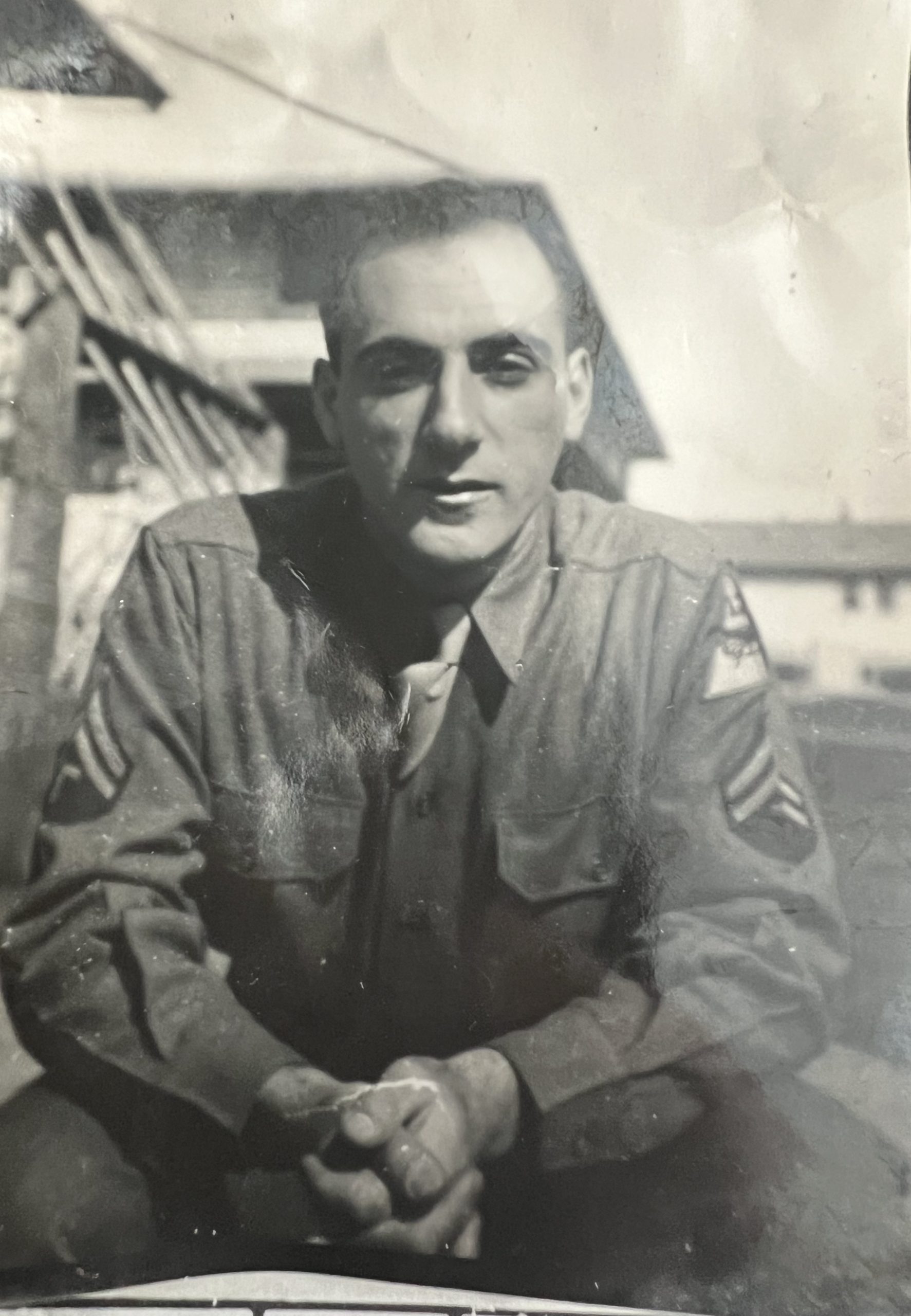
I’m writing a book about my Father-in-Law Haig Derderian, who served in the 714th Tank Battalion in the 12th Armored Division. I’ve collected more than a thousand pages of documents about Haig’s service in the war in 1944 and 1945 in France and Germany, plus detailed accounts on the daily movements of his tank battalion and the 12th Armored Division.
Since April 3rd, I traveled from Frankfurt, Germany, to tiny villages in France like La Wantzenau, Herrlisheim-bis Rhin, the beautiful, picturesque town of Niederbronn, founded in 1 A.D., and the flat farmlands of Hatten.
I blasted country music and cruised in my BMW X3 with a turbo engine through the rolling French countryside straddling the Rhine River to Herrlisheim Pres Colmar. I then raced through Germany from the Rhine to Nuremberg on the Autobahn at an average speed of 180 kilometers per hour with the large sun roof fully open.
I was on a unstoppable mission undeterred by being in a foreign land and with people who spoke little or no English. That would just be the part of my experience for the book. I would record conversations in French and German during my interviews and transcribe them later.

My goal was to travel to the tiny French towns to get personal stories from people who lived through the Nazi invasion in the 1940s. It seems that there are quite a number of survivors still living from the war.
Before going to Europe, I set up interviews with 87-year-old author and historian Lise Pommois from Niederbronn, France, and spent 10 hours with her going through towns that had been destroyed in World War 2 battles between the Nazis and American soldiers.
I also set up a meeting with 87-year-old François Thomann from Herrlisheim-Pres-Colmar, who witnessed Germans invading his town when he was a young boy. He hid in the basement with his family while Germans stormed the town. In one of the most unexpected, incredible days of my life, I spent four hours with Francois, who only spoke French and German and no English. I speak no French and a little German.
I recorded a couple hours of conversation between François and myself and with the help of my German friend from Nuremberg, Simon Haas, I had it transcribed into English so I can tell the world about what he witnessed during the war. François also wrote three books about the war in French about the war in his town and the area. His memories will live in my book.
Prior to going on this investigative journey for my book, I had never met Lise or François. My expectations were that I would get incredible, detailed stories from survivors of a Nazi invasion during World War 2. I got so much more.

I also met Herrlisheim-bis-Rhin Deputy Mayor Nadine Beuriot, whose 93-year-old father, Jean Meyer, wrote a journal about his experience living through the war and German occupation. He wrote it in French, but she sent it to me so that I can also tell his story. I’ve transcribed his story, where he writes about having his home destroyed and then moving away from his town with his family to flee the Nazis and destruction.

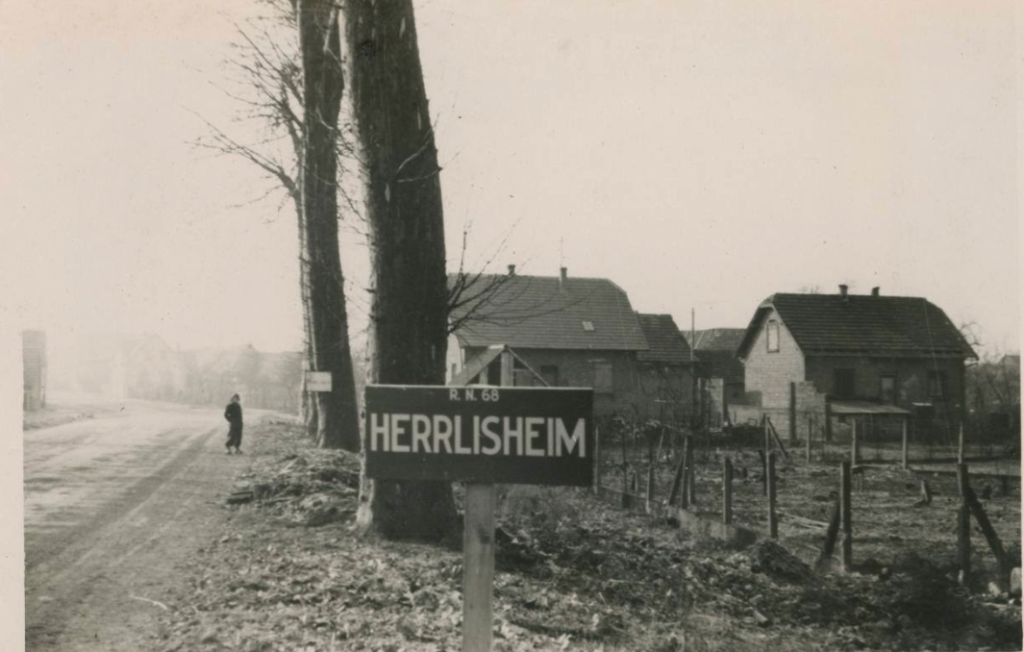
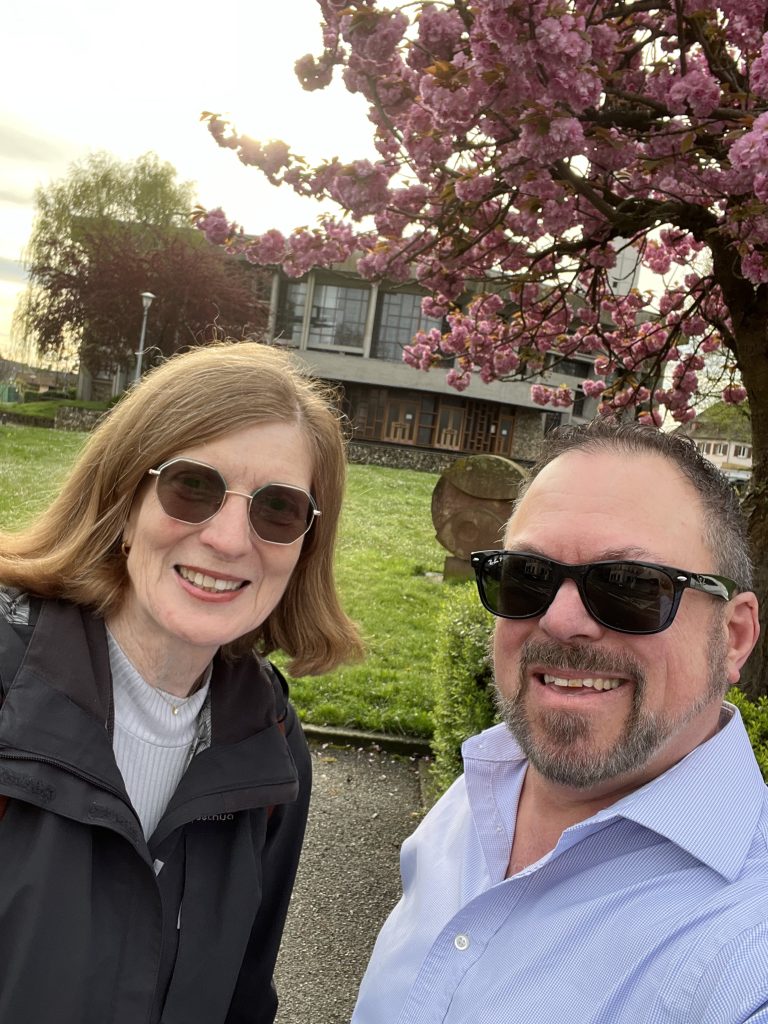
Nadine and I walked through the tiny commune on a sunny, spring afternoon of April 5th. The village was the scene of a major battle in the war between the Nazis and the 12th Armored Division. They battled for more than 10 days, beginning on Jan. 9th, 1945 in the frigid winter weather.
Haig’s 714th Tank Battalion Company B was the first unit that went into the town early the morning of Jan. 9th. Army intelligence reported that a few hundred Germans were in the village along with a few tanks. But what they didn’t know was it was the beginning of Operation Nordwind — Adolph Hitler’s last offensive attack to occur in Europe.
Hitler planned to drive his army south toward Strasbourg and take the city. If Hitler had been successful, it would have severed America military supply lines and likely would have caused France to get out of the war with the Allies. France’s president had declared that if the Germans ever took Strasbourg once again, they would get out of the war.
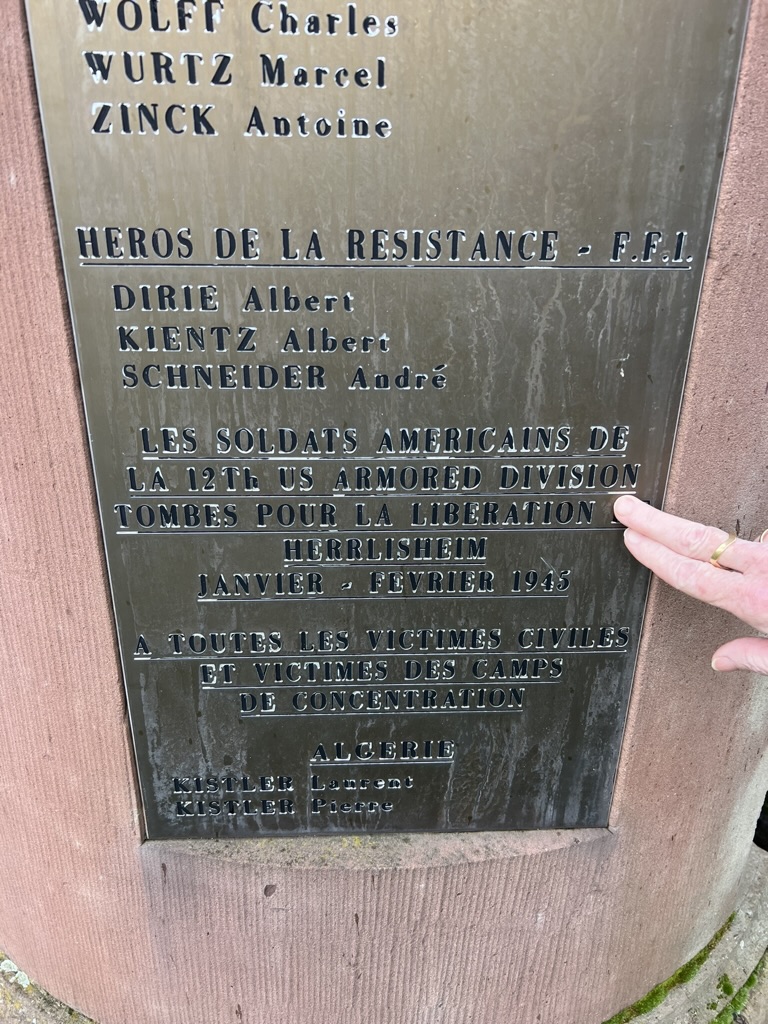
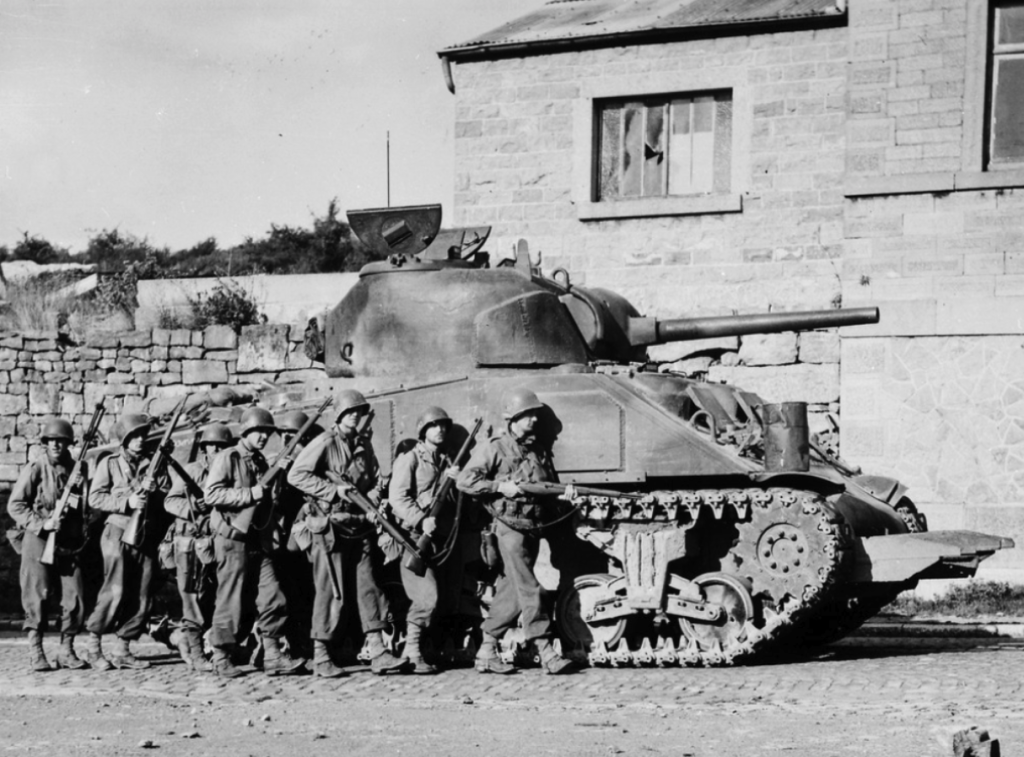
When the battle in Herrlisheim began, Haig’s tank battalion began getting hit heavily by enemy fire early in the morning Jan. 9th, so they retreated from the town and headed north toward the small town of Rohrwiller. The next day, however, Company A and Company C of the tank battalion went into Herrlisheim and got slaughtered. Every soldier in the 12th Armored Division who went into the town that day either died, was captured, or injured. It was an epic disaster.
As Nadine and I walked on the sidewalks through modern day Herrlisheim, she showed me buildings that had been destroyed by artillery and tanks. We walked through the exact section where Haig drove his tank into the city. It was surreal as I saw a town through my eyes in 2024, what he saw in 1945 from the exact same position on the street.
Some original buildings remained, but more than 85% of the commune had been destroyed. Today it is such a beautiful town and close-knit community. Herrlisheim was founded in the 8th Century, but for a 10-day period in 1945, it was almost entirely destroyed. Buried in a vast cemetery there are residents from the village who died then. I walked through it and was saddened by the sheer number who died in January 1945.

Nadine shared numerous photos with me of the devastation that occurred and it was awful to see the destruction that war can cause.
In my travels I also met Othmane Boumzebra, who told me the story about his grandmother being captured by the Nazis when she was a newborn baby in France.
Othmane Boumzebra’s World War 2 story was completely unexpected. I was managing our OpenSystems Media booth at the Embedded World trade show in Nuremberg on April 10th when I met Othmane. We started talking and I mentioned I was writing a book about my Father-in-Law and his experiences in World War 2 France and Germany. I told him I was also gathering stories from survivors of the war.
Othmane told me his grandmother was virtually born into a German Prisoner of War camp during the war.

Here’s Othame’s incredible story:
My grandmother was born in 1941 in a German concentration camp in the eastern part of France. She was born from an Italian descent mother and Algerian father.
She told me this: Her father escaped from a concentration camp. There was a break. He would have this bad smell in his nose for years because he escaped from toilets with these other guys. There were two guys who escaped together. They managed to escape underneath through the toilets.
The trauma and the smell was so present for them…the smell was so bad. He was still having this smell permanently 24/ 7 for a long time after.
He said his grandmother wrote a memoir to keep her memories alive for other people to read.
We have an Arabic saying. “If you don’t know where you’re going, you have to look where you come from.”
One of the stories was that there was a bombing in eastern France and she was lost during the bombing. Somebody found her and picked her up. There was some panic. It was a mess. The family she got with…there was a grandmother who had the baby and gave back to the mother….she talks about this very often. And that’s another arc to the story.
So many stories from people in Europe. Just ask someone in France, Germany, and throughout Europe and they have a story about a relative who was involved in horrific World War 2 in someway or another — whether fighting for the United States and its allies, or for Germany and the Axis.
I remember driving through the beautiful farmlands of France and thinking to myself how almost every mile of land was crushed by tanks, heavy armored vehicles, and millions of soldiers. So many villages were destroyed in the onslaught by the Nazis and — again –when the American soldiers roared through Europe to liberate the towns.
Our amber waves of grain in the United States don’t have this memory, except during our Civil War. Instead, millions of U.S. soldiers went over to Europe to fight the Nazis in Europe and end their European occupation.
It was an unbelievable tour through Europe meeting with survivors from World War 2. They added so much context to a war almost forgotten by Americans today.
But, lest it not be forgotten, or it will be repeated.