It was 3 am on a frigid, January morning in 1976. My mom blinded my sleep-filled eyes when she turned on my bedroom light.
“Tommy! Time to get up for hockey practice!” she said.

I groggily tossed on my clothes and my Philadelphia Flyers knit cap, grabbed my hockey gear and went out to mom’s 1976 Ford Elite parked in the driveway. Back then, it took about 10 minutes for the car’s heater to warm up and melt off the frost and snow. Fortunately, we only had a seven-minute drive to Garden City Ice Arena where it would be somewhat warmer inside.
Hockey practice for my Mite Garden City Flyers team was 2 days a week while we played about 3 games per week. Practices back then for Mite division hockey players — boys aged 6-8 — were almost always at 4 am or 5 am. It seemed like every single time I crawled into my mom’s car that season for practice, Chicago’s “If you leave me now” would be playing on radio station WDRQ. Forty-nine years later, whenever I hear that song, I think of those days when mom and dad would take me to hockey practice.
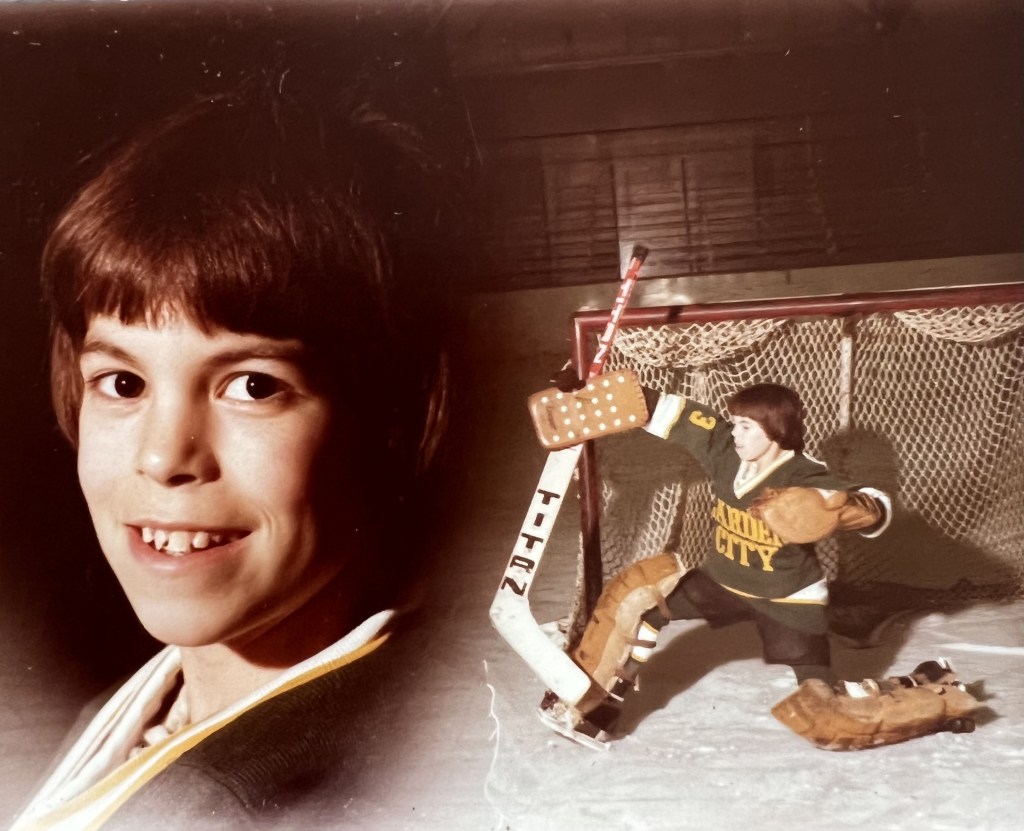
Garden City Ice Arena in Garden City, MI — a city about 20 miles west of Detroit — is where I learned to skate on ice at the age of 4. Pretty much as soon as I could run, mom and dad put me on skates. My brother, John, played ice hockey at the same arena and I wanted to be a hockey player just like him.
Garden City had just put a shell around the ice, which opened as an outdoor rink in 1961. Mom said we could play hockey once the city covered the rink — and so the city did around 1972. And that’s where mine and my brother’s esteemed Hockey Hall of Fame careers began.
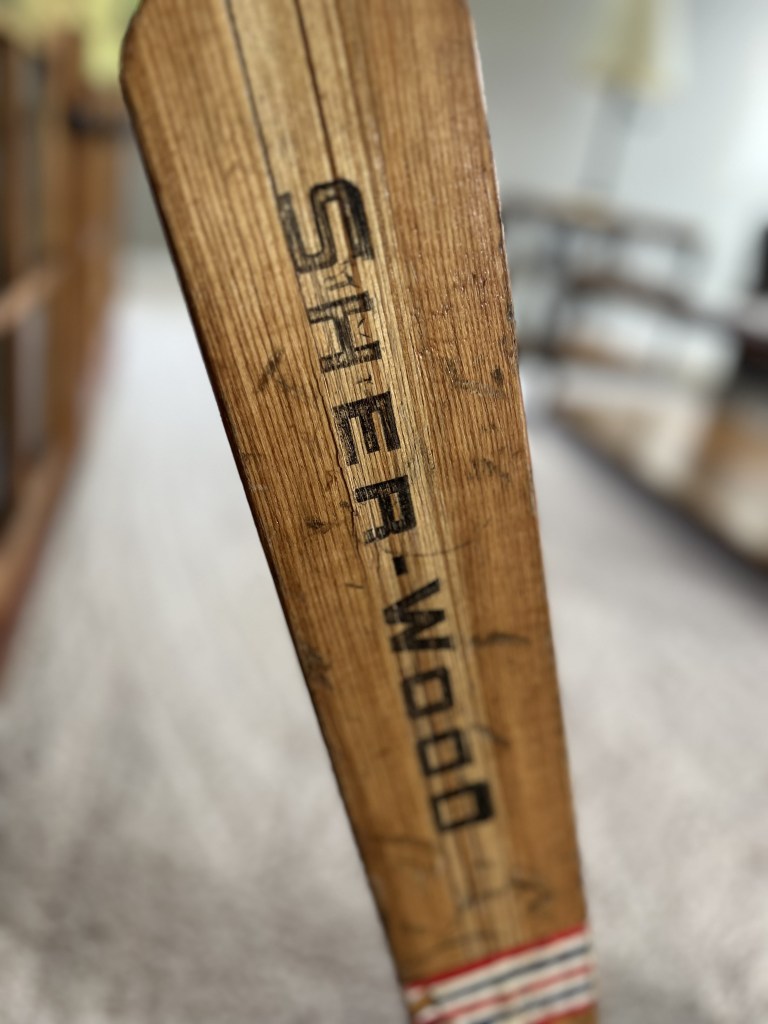
Well – not the actual Hockey Hall of Fame, but my own personal Hall of Fame. I dug deep in my basement this week and was amazed at the collection of my old hockey mementos that I saved over the 5 decades that I’ve played the sport. I began playing ice hockey on my first team in 1974 at the age of 6 and played youth hockey up until the age of 19 when I played one year of Junior C in Plymouth for a team that won 41 games and lost just 3. I continued playing hockey in adult leagues in my 20s, 30s, and 40s until I hung up the skates a few years ago.
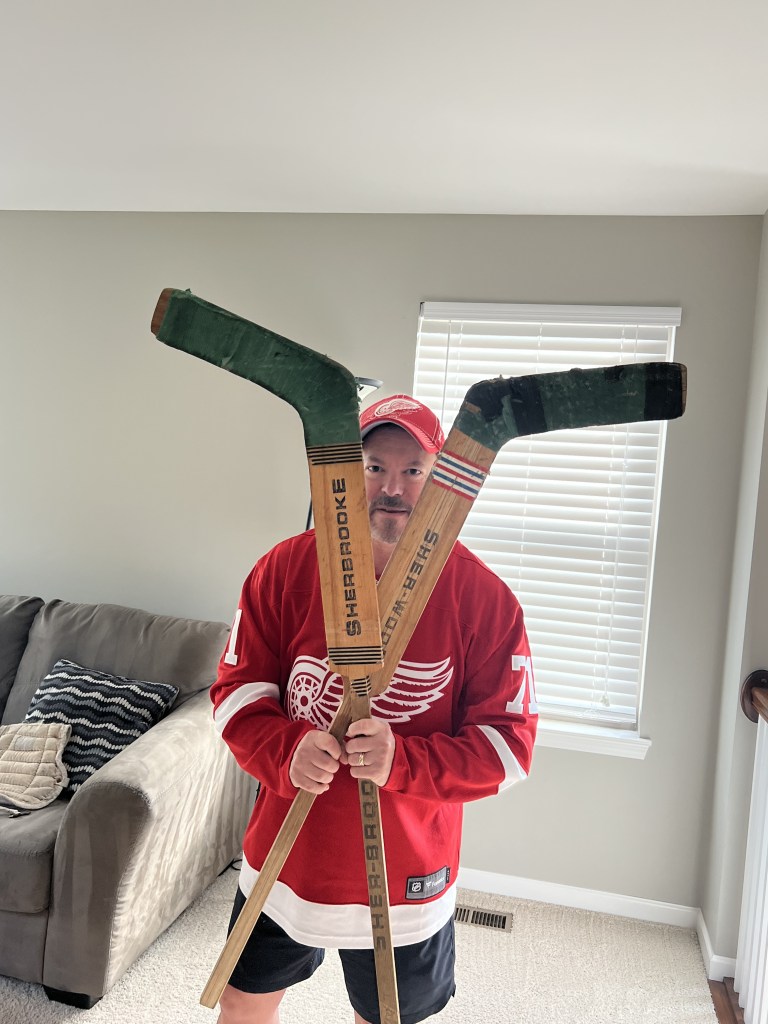
I have a collection of some of the old wooden sticks that I used in my early years, my first goalie chest protector from 1975, trophies, shutout patches, about 30 hockey pucks, and old jerseys.
I’m not sure of the exact number, but I’d estimate I’ve played in close to 2,000 games over my amateur career. That’s a lot of time on the ice and that’s not including the thousands of practices and scrimmage games.
Hockey has been my life. I played goalie in every season except my first year when I played defense. That was my net. I was the drain on the ice and had to stop anything from getting past me.

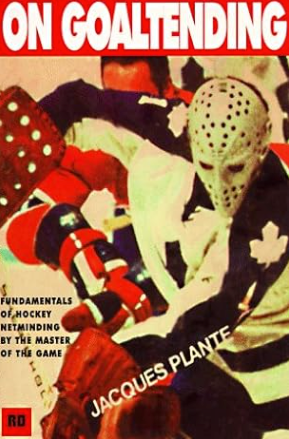
My idols were the great NHL goalies of the 1960s and 1970s: Ken Dryden of the Montreal Canadiens, Tony Esposito of the Chicago Black Hawks, Bernie Parent of the Philadelphia Flyers, Gary Cheevers with the Boston Bruins. My favorite book was called On Goaltending by Toronto Maple Leafs goaltender Jacques Plante and I read it often. Detroit Red Wings legend Gordie Howe authored my other favorite book called Hockey…Here’s Howe.
It wasn’t just a fun sport to play. It kept me out of trouble growing up. Most importantly, it gave me strength, confidence, discipline, determination, it taught me teamwork and how to work alongside with others. It taught me how to set goals as well as save goals, and taught me that if I wanted to get any better I would have to work my ass off to become a better player.
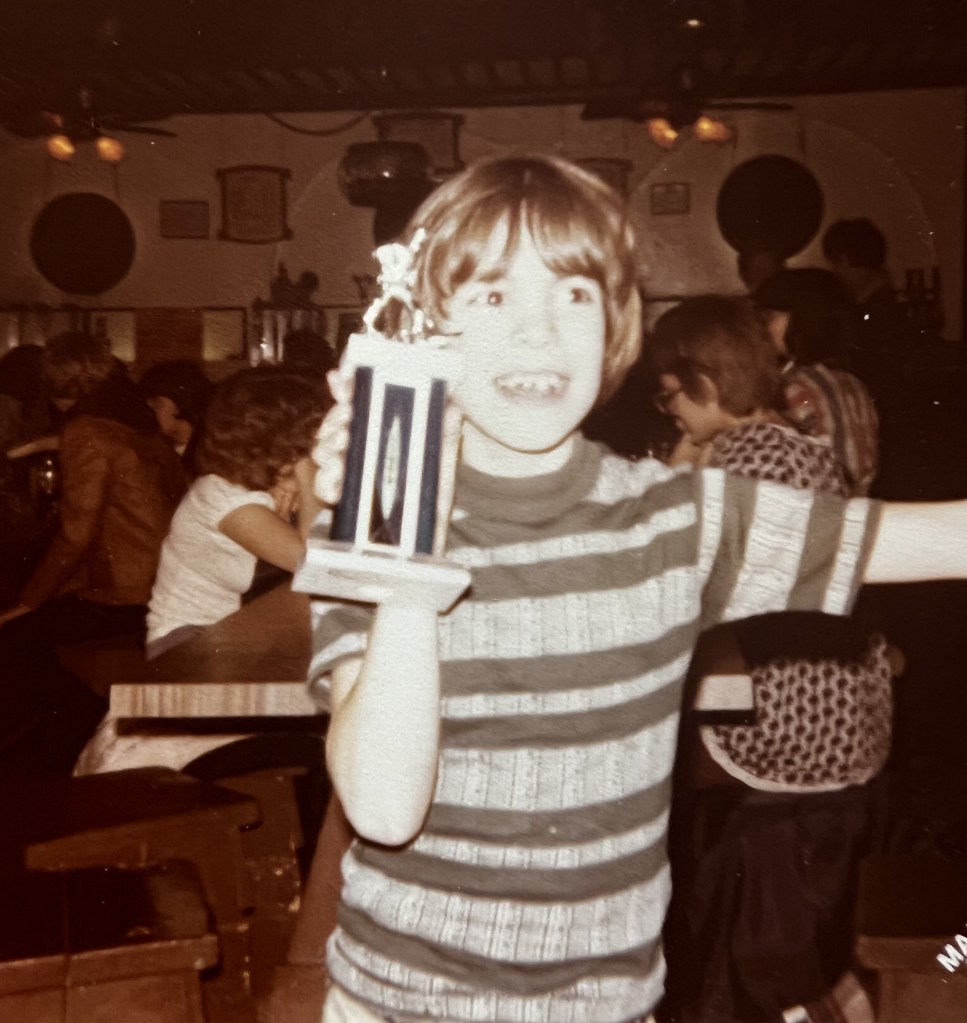
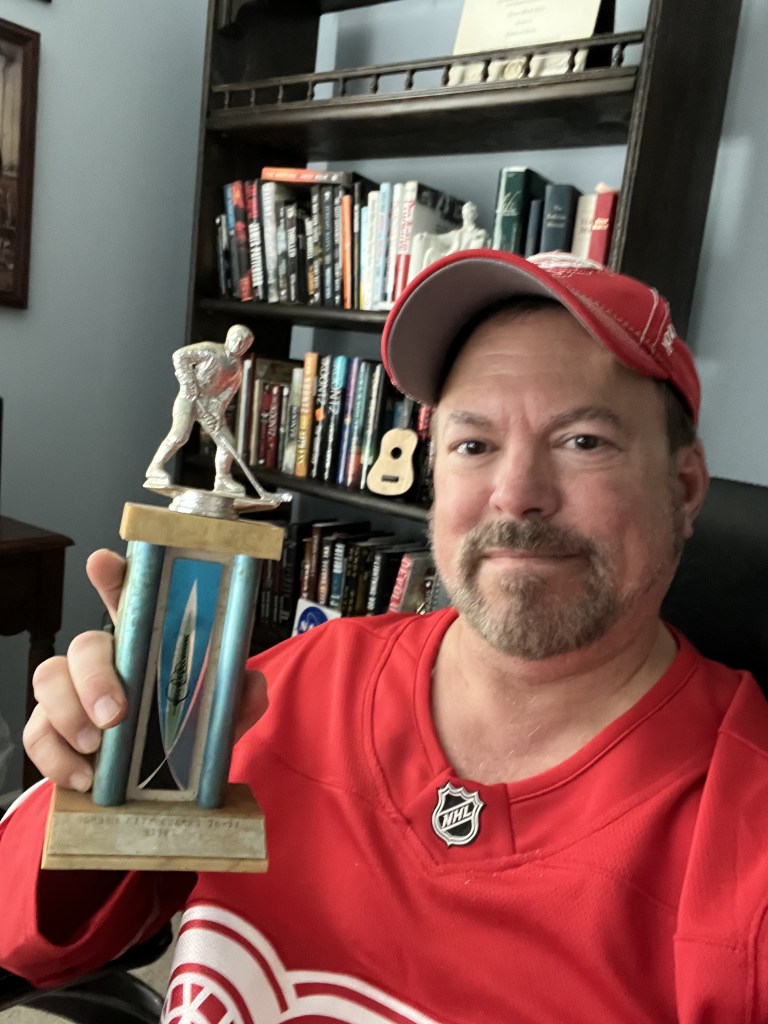
Playing hockey also taught me humility and that we don’t win all the time. Trophies were for winners. Losing taught you to learn from your mistakes and work your ass off until you win and earn that trophy. Unfortunately, somehow in the last 25 years a new generation grew up getting a trophy no matter which place their team finished.
I had some great coaches along the way and played with some great players.
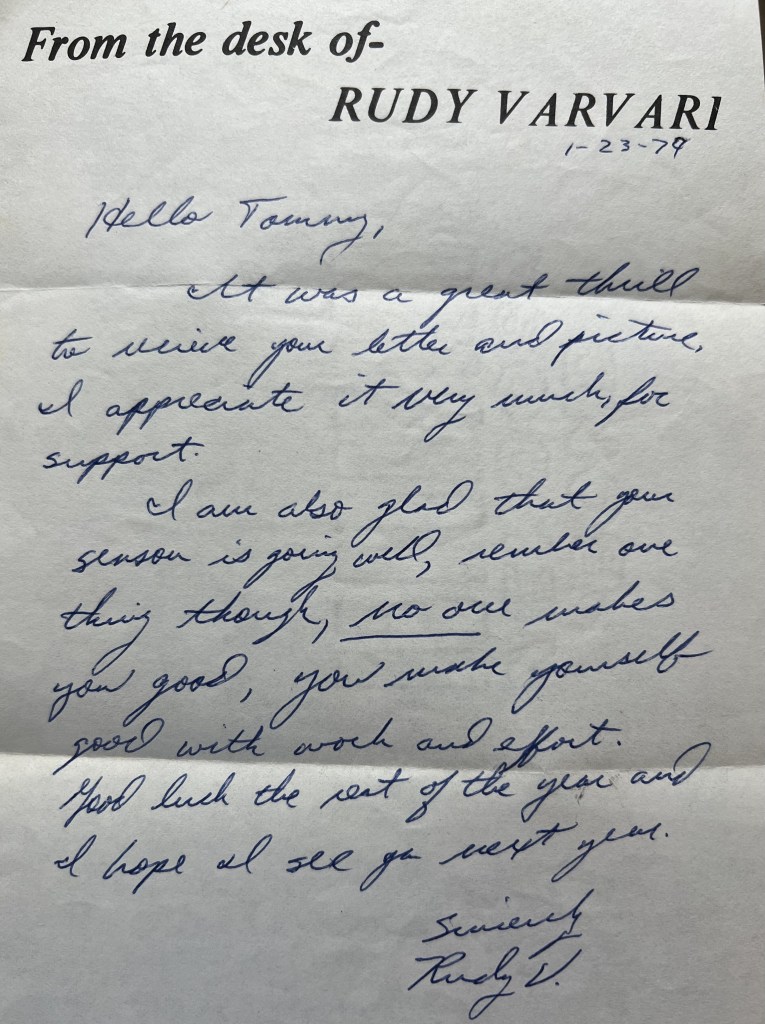
Rudy Varvari, who played goalie for the University of Michigan Wolverines from 1977-1981, was my goalie coach for 2 summers at Detroit’s West Suburban Hockey School. The school was led by some of the best midwest collegiate hockey players who hadn’t yet been drafted by the NHL. Mark Wells, a member of the United States “Miracle on Ice” hockey team in 1980 was one of our coaches for two of those summer hockey schools as was Tom Anastos (Michigan State Spartans hockey coach from 2011-2017), and Mike Liut, who became an NHL goaltender for 17 years and logged more than 300 wins in his career.
But to me, Rudy Varvari was the best goalie in the world. He helped strengthen me as a goalie and taught me the best techniques at the time on how to be a great goaltender. I wrote to Rudy a few times in the late 1970s and he wrote back giving me advice. I owe a lot of my success in hockey to him. I started playing in higher level travel hockey programs in Garden City, Farmington Hills, and Redford Township as well as in the Little Caesars AAA program for a few spring seasons.
I also owe my brother a lot of credit for taking shot after shot after shot on me in our basement with real pucks and tennis balls. Eventually we had to use plastic pucks after too many things were breaking in the basement. I also owe my parents credit for taking me to all my games and practices and paying the expensive monthly ice bills.
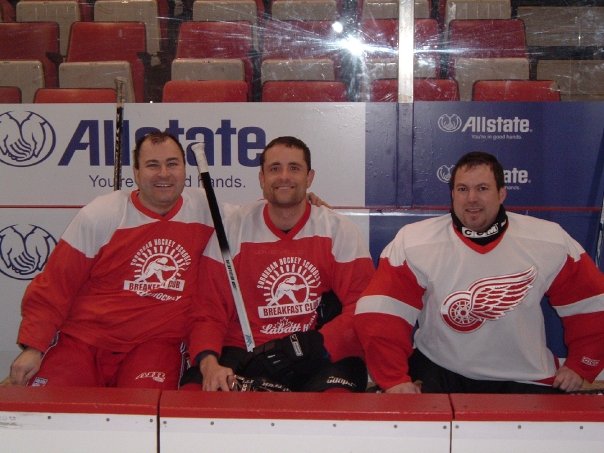
Later on in my career in my mid thirties, I paid it forward and began coaching goalies myself for 3 years at the Suburban Hockey School Breakfast Club in Dearborn, MI. My friend Derek Fowler led a group of completely new adult hockey players and he asked me to coach the goalies in the 10-week program. It was a great experience teaching new goalies — some younger than me and some older than me. On the final session of the hockey school, we’d play on the ice for 2 hours at Joe Louis Arena — then, home of the Detroit Red Wings.
Like almost any hockey player, I had dreams of playing in the NHL. But I was too short at 5’6” tall and I hadn’t played long enough on elite AAA travel teams to get the much-needed exposure to even be considered a prospect. I also had too much ambition to be a news reporter instead of playing professional hockey. To be considered a prospect for the NHL in the 1980s paled in comparison to today’s standards. In the 1980s, you stood a good chance as long as you were an American or Canadian player, played college hockey or in a Junior A hockey program and you were one of the top players on your team. Goalies were typically the shortest players on the team.
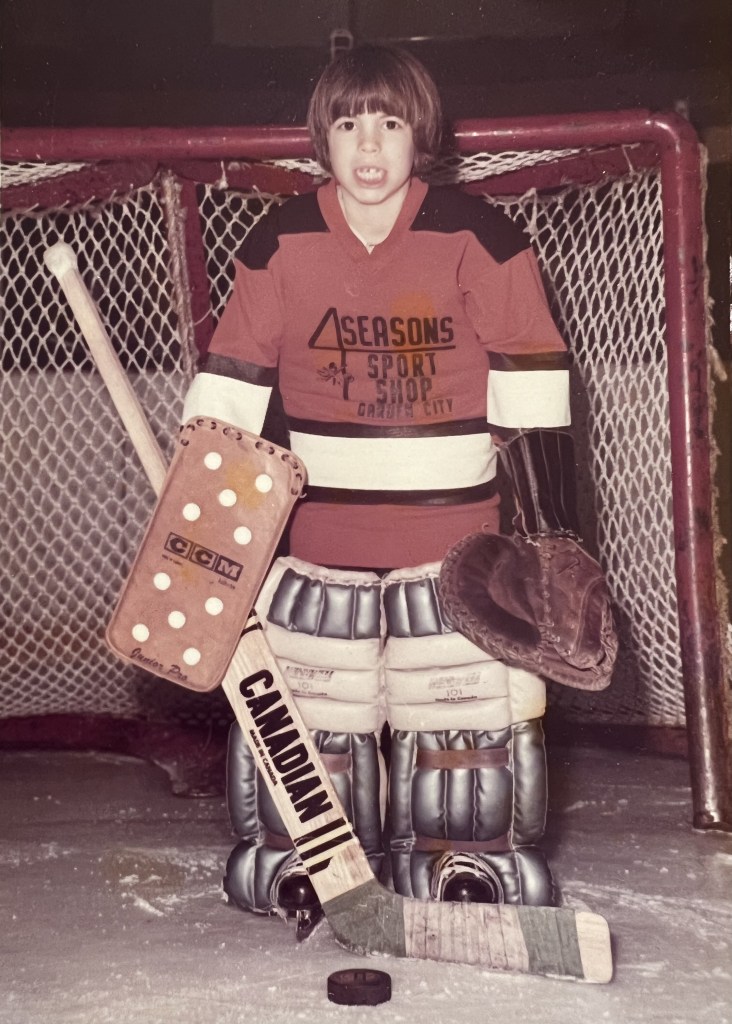
As I looked at my old wooden hockey sticks and my old chest protector when I was writing this blog, I realized how much hockey equipment technology changed over the years. Goalie sticks in the 1970s were made of complete wood. Then — to make the sticks stronger — companies would wrap a thin layer of fiberglass tape around the shaft and blade to prevent sticks from breaking easily. When that didn’t work, companies tried making sticks completely out of fiberglass. On a cold ice surface it was easy to figure out those sticks would just shatter or pieces of the blade would chip off. Stick technology really escalated with the introduction of composite sticks and now today players almost exclusively use carbon fiber.
A strong goalie stick was always necessary for me so I could whack the skates and ankles of players from the opposing team in front of me and also to absorb the blow from 90 mph slap shots and wrist shots.
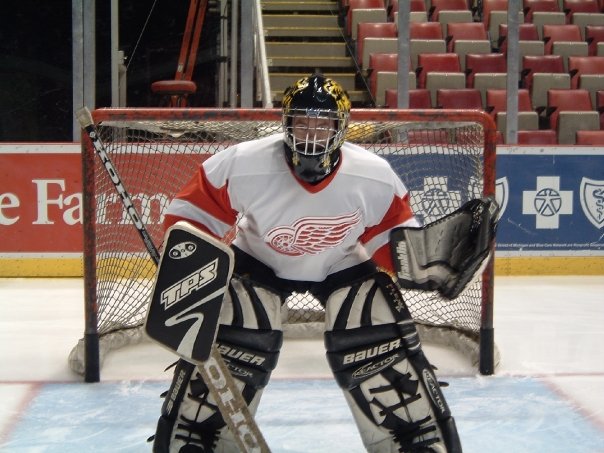
The equipment used to protect my body also changed dramatically over the years from cotton and leather to Kevlar and dense foams and plastics.
The old arm pads, chest protectors, and leg pads just sucked. After every game and practice I’d have a new set of bruises to heal from. Arm pads had sponge inserts on the arms and shoulders with gaps of an inch or two in between sponges. Pucks always found their way into those gaps adding another bruise on top of a bruise. Goalies got beat up like a prizefighter.

Reminds me of a T-shirt that I had. The back said, “Bury me in Ice.” The front said, Hockey: Pain Heals, Chicks Dig Scars, and that Glory lasts Forever.”
Goalies must have gone to the picket line at some point because all of a sudden, the protection level for goalie equipment accelerated fast. Not only was it extremely protective for my body, but collectively, it was about 15 pounds lighter than the old equipment. I jumped on getting the new equipment and all of a sudden — no more bruises! Instead, just a very bruised credit card bill.
I hung up the skates a few years ago, but always threaten to pick it back up. My equipment remains in my hockey bag where I dropped it off in the basement after I last played 6 years ago. I opened the bag recently, smelled that lovely gear and tried it on. It fit perfect.
While I haven’t skated in 6 years, for me it’s like riding a bike. Who knows, maybe I’ll have to take the skates for a spin around the block soon.